_pdf.png)


Enhancing Home Accessibility with Elevators: Residential Elevator Benefits

When I first considered adding an elevator to my home, I knew it was about more than just convenience. Elevators can transform a living space, making it accessible and comfortable for everyone. Whether you have mobility challenges or simply want to future-proof your home, residential elevators offer a practical and elegant solution. In this post, I will share insights on how elevators enhance home accessibility, the benefits they bring, and how to choose the right one for your needs.
Why Residential Elevator Benefits Matter
Residential elevators are more than just a luxury feature. They provide essential benefits that improve daily life and increase the value of your home. Here are some key advantages I discovered:
Improved Mobility: Elevators allow easy movement between floors for people with limited mobility, seniors, or those recovering from injury.
Safety: Stairs can be hazardous, especially for children and older adults. Elevators reduce the risk of falls and accidents.
Convenience: Carrying groceries, laundry, or heavy items between floors becomes effortless.
Home Value: Installing an elevator can increase your property’s market appeal and resale value.
Space Efficiency: Modern residential elevators are designed to fit into small spaces without compromising aesthetics.
By investing in a residential elevator, you create a home environment that supports independence and comfort for all family members.

Choosing the Right Elevator for Your Home
Selecting the perfect elevator involves considering your home's layout, your budget, and your specific accessibility needs. Here are some factors I recommend evaluating:
Type of Elevator
Hydraulic Elevators: Smooth and quiet, ideal for homes with space for a machine room.
Traction Elevators: Energy-efficient and require less space, suitable for multi-story homes.
Pneumatic Elevators: Compact and easy to install, perfect for tight spaces and fewer floors.
Size and Capacity
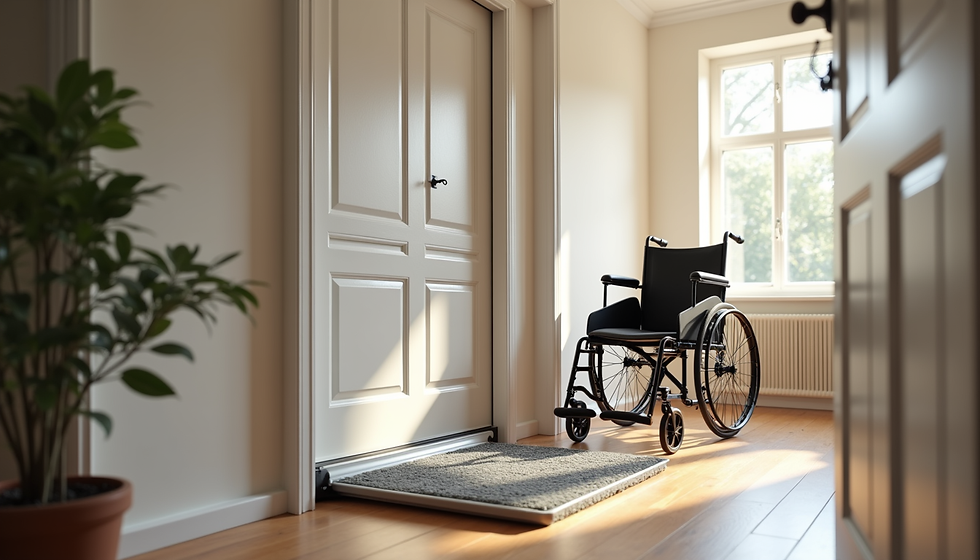
Think about who will use the elevator and what items you might transport. A larger cab accommodates wheelchairs and mobility devices comfortably.
Installation Space
Measure the available space carefully. Some elevators require a shaft or pit, while others can be installed with minimal structural changes.
Safety Features
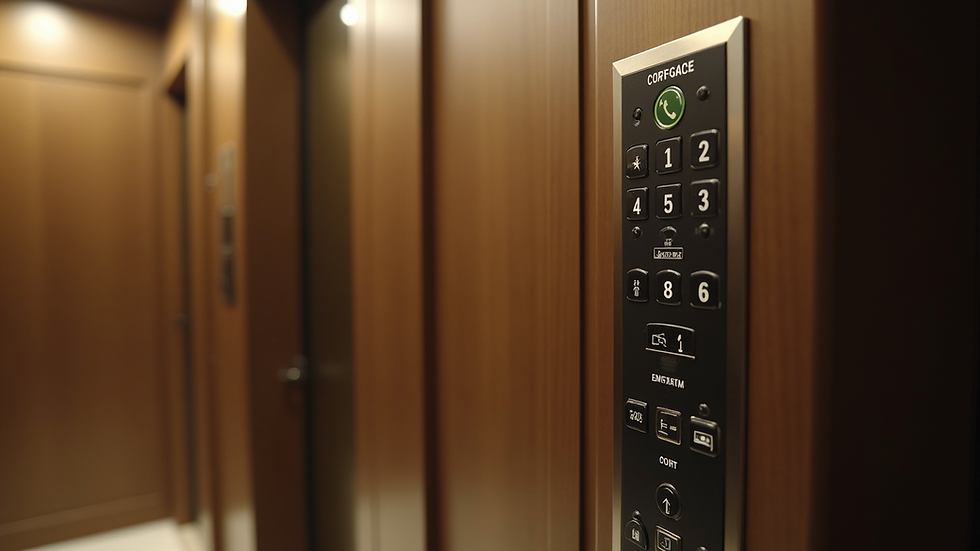
Look for elevators with emergency stop buttons, battery backups, and smooth door operation to ensure safe use.
Design and Finish
Choose materials and finishes that complement your home’s style. Elevators can be customized with glass panels, wood trims, or stainless steel.
By carefully considering these factors, you can select an elevator that fits seamlessly into your home and lifestyle.
How Elevators Improve Accessibility and Independence
One of the most rewarding aspects of installing a residential elevator is the boost it gives to personal independence. For those with mobility challenges, an elevator can be life-changing. Here’s how:
Eliminates Barriers: No more struggling with stairs or relying on others for help.
Supports Aging in Place: Seniors can stay in their homes longer without worrying about navigating multiple floors.
Enhances Daily Activities: Moving heavy or bulky items becomes easier, reducing strain and risk of injury.
Promotes Confidence: Knowing you can move freely throughout your home fosters a sense of security and well-being.
I also found that elevators can be a key part of broader accessibility solutions that make homes more inclusive and welcoming.
Installation Process and What to Expect
Installing a residential elevator is a significant project, but with the right team, it can be smooth and efficient. Here’s what I learned about the process:
Initial Consultation: A professional assessment of your home’s structure and your needs.
Design and Planning: Customizing the elevator to fit your space and style preferences.
Permits and Regulations: Ensuring compliance with local building codes and safety standards.
Construction and Installation: Typically takes a few weeks, depending on the complexity.
Testing and Training: Thorough testing of the elevator’s operation and user guidance.
Throughout the process, communication with your installer is key. They can help you understand timelines, costs, and maintenance requirements.
Maintaining Your Residential Elevator for Longevity
Once your elevator is installed, proper maintenance is essential to keep it running safely and smoothly. Here are some tips I recommend:
Regular Inspections: Schedule professional check-ups at least once a year.
Clean Components: Keep doors, tracks, and control panels free of dust and debris.
Test Safety Features: Regularly check emergency alarms, lighting, and backup systems.
Prompt Repairs: Address any unusual noises or malfunctions immediately to prevent bigger issues.
A well-maintained elevator not only lasts longer but also provides peace of mind for you and your family.
Making Your Home Truly Accessible
Adding a residential elevator is a powerful step toward creating a home that welcomes everyone. It’s about more than just moving between floors - it’s about enhancing quality of life, safety, and independence. Whether you’re planning for the future or addressing current mobility needs, elevators offer a reliable and stylish solution.
If you’re considering accessibility upgrades, remember that elevators can be part of a comprehensive approach to accessibility solutions tailored to your home. With expert guidance and thoughtful planning, you can transform your living space into a place where everyone moves freely and confidently.
I encourage you to explore the possibilities and take the first step toward a more accessible home today.


Comments