_pdf.png)


Innovative Accessibility Solutions for Every Need
- Admin
- Nov 17, 2025
- 4 min read
Updated: Feb 4
Creating spaces that welcome everyone is more than a trend - it is a necessity. Whether you are upgrading a home or outfitting a business, finding effective accessibility options can transform how people move and interact with their environment. I want to share insights and practical ideas that help you make thoughtful choices, ensuring comfort, safety, and independence for all users.
Understanding Effective Accessibility Options
When we talk about effective accessibility options, we mean solutions that truly meet the needs of individuals with varying abilities. These options go beyond basic compliance; they focus on usability, convenience, and dignity. For example, installing a stairlift in a multi-level home can restore freedom for someone with mobility challenges. Similarly, businesses can benefit from ramps and automatic doors that welcome customers without barriers.
Here are some key features to consider when selecting accessibility options:
Customization: Tailor solutions to the specific layout and user needs.
Durability: Choose materials and designs that withstand daily use.
Ease of Use: Controls and mechanisms should be intuitive.
Safety: Non-slip surfaces, secure handrails, and emergency features are essential.
By focusing on these elements, you ensure that your investment truly enhances accessibility.
Practical Elevator and Lift Solutions for Homes and Businesses
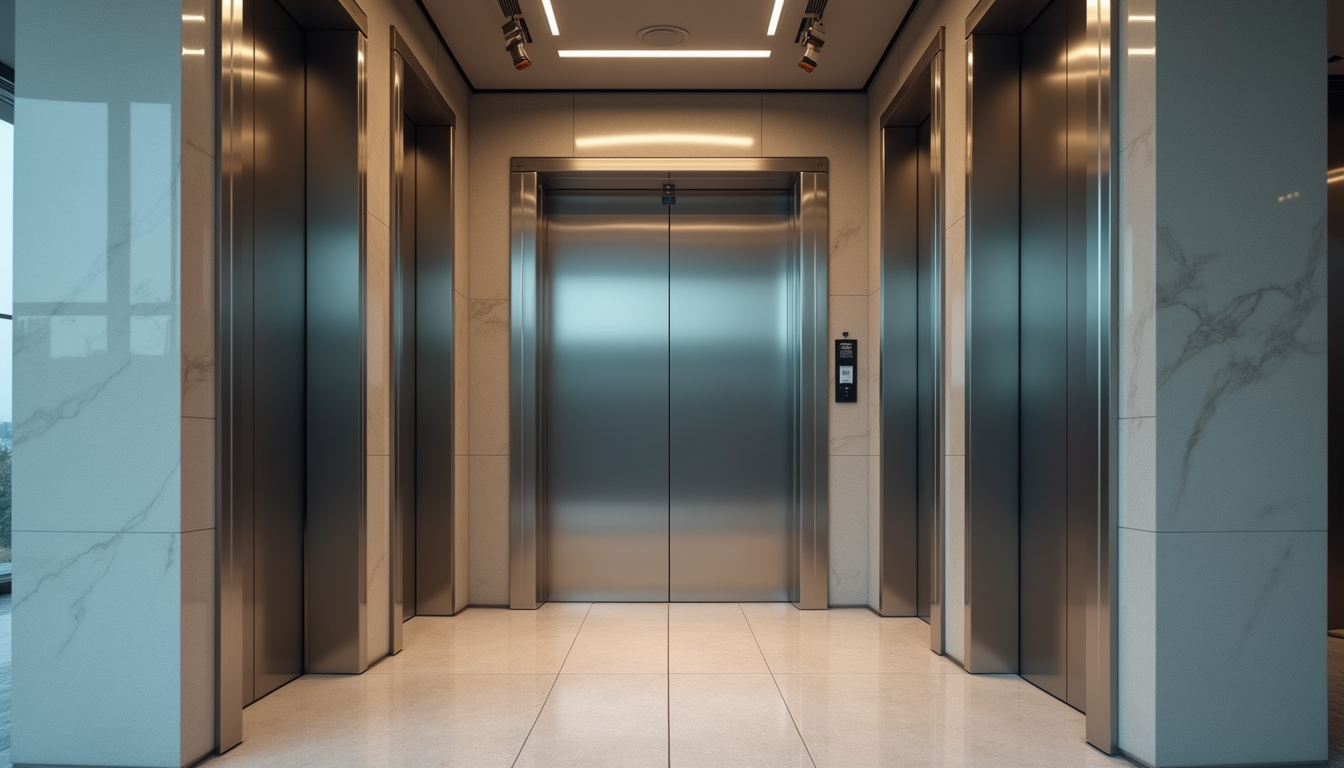
Elevators and lifts are among the most impactful accessibility upgrades. They provide vertical mobility that can be life-changing. For homeowners, a residential elevator can connect floors without the strain of stairs. For businesses, platform lifts or wheelchair lifts can make entrances and mezzanines accessible to all visitors.
Consider these options:
Residential Elevators
Compact and stylish, these elevators fit into existing homes with minimal disruption. They come in various designs, from traditional cabins to modern glass enclosures.
Stairlifts
Ideal for homes where installing an elevator is not feasible, stairlifts glide along the staircase, offering a safe ride up and down.
Vertical Platform Lifts
These lifts are perfect for businesses needing to bridge small height differences at entrances or within buildings. They accommodate wheelchairs and scooters comfortably.
Inclined Platform Lifts
Similar to stairlifts but designed to carry wheelchairs, these lifts follow the staircase incline and provide a smooth transition.
When choosing a lift or elevator, think about the space available, the frequency of use, and the users’ specific needs. Professional consultation can help you select the best model and ensure proper installation.

Enhancing Accessibility with Smart Technology
Technology is reshaping accessibility in exciting ways. Smart home devices and automated systems can simplify daily tasks and improve safety. Voice-activated controls, motion sensors, and app-based management allow users to operate doors, lights, and lifts effortlessly.
Some innovative tech features include:
Voice-Controlled Elevators: Users can call and operate elevators hands-free.
Automated Doors: Sensors detect approaching individuals and open doors automatically.
Remote Monitoring: Caregivers or facility managers can monitor lift usage and maintenance needs remotely.
Customizable Alerts: Notifications for maintenance or emergency situations enhance safety.
Integrating these technologies creates an environment that adapts to users’ needs, promoting independence and confidence.
Designing Spaces with Accessibility in Mind
Accessibility is not just about adding equipment; it’s about thoughtful design. When planning renovations or new constructions, consider how layout and materials affect mobility and comfort.
Here are some design tips:
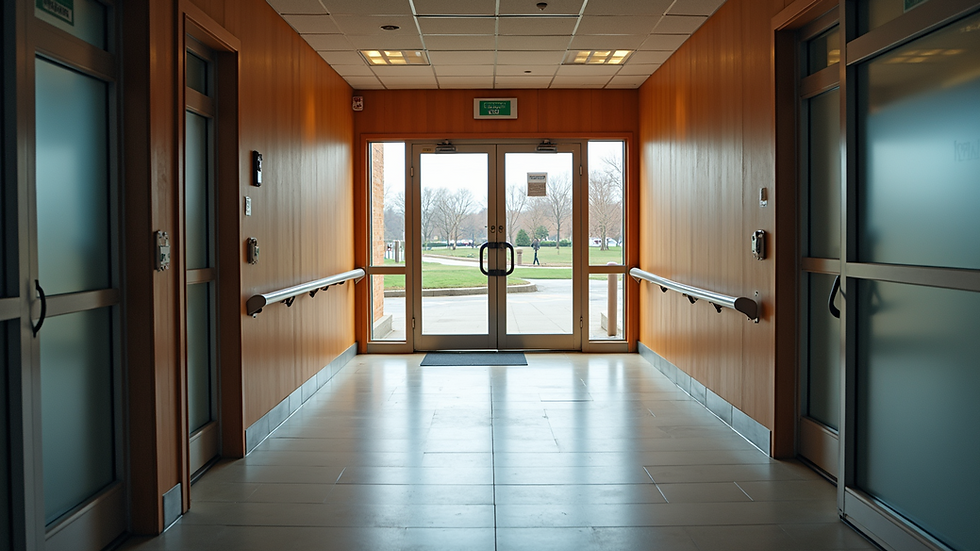
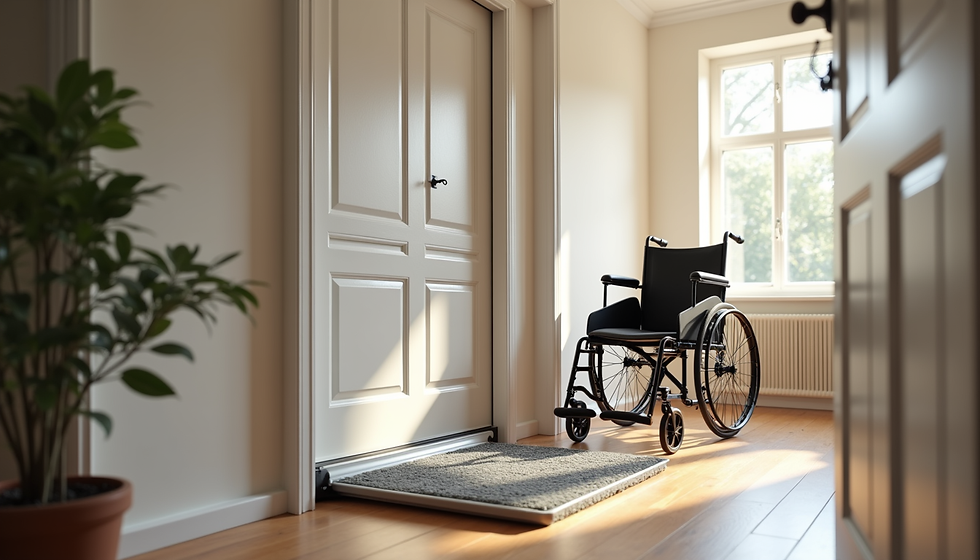
Wide Doorways and Hallways: Ensure enough space for wheelchairs and mobility aids.
Non-Slip Flooring: Choose materials that reduce fall risks.
Clear Signage: Use large, high-contrast signs for easy navigation.
Accessible Restrooms: Include grab bars, lowered sinks, and enough turning space.
Proper Lighting: Bright, even lighting helps all users see clearly.
By combining these design principles with the right equipment, you create welcoming spaces that serve everyone well.
How to Choose the Right Accessibility Partner
Selecting the right company to provide and install accessibility solutions is crucial. You want experts who understand your unique needs and offer personalized service. Look for providers who:
Offer customized solutions tailored to your space and users.
Have a strong track record of successful installations.
Provide ongoing support and maintenance.
Use high-quality products that meet safety standards.
Communicate clearly and listen carefully to your concerns.
For those in Michigan, I recommend exploring accessibility solutions from trusted local experts. They specialize in making homes and businesses more accessible with top-notch elevators and lifts designed for real-life use.
Moving Forward with Confidence and Care
Accessibility is a journey, not a one-time fix. As needs evolve, so should your solutions. Regularly assess your space and equipment to ensure they continue to serve well. Stay informed about new technologies and design trends that can enhance comfort and safety.
Remember, investing in accessibility is investing in freedom. It empowers people to live, work, and enjoy life without limits. With the right choices and expert support, you can create environments that welcome everyone warmly and confidently.
If you are ready to explore options or need guidance, reach out to professionals who can help you take the next step. Together, we can build spaces that truly open doors for all.
Thank you for reading. I hope these insights inspire you to embrace innovative and effective accessibility options that make a real difference.


Comments