_pdf.png)


Transforming Spaces with Accessibility Solutions: Improving Accessibility in Properties
- Admin

- Mar 9
- 3 min read
Updated: Apr 9
Creating spaces that welcome everyone is more than a trend - it is a necessity. Whether you own a home or run a business, making your property accessible ensures that all individuals can move freely and confidently. I have seen firsthand how thoughtful design and smart modifications can transform environments, making them safer and more inclusive. Today, I want to share practical insights and actionable steps to help you improve accessibility in your property.
Why Improving Accessibility in Properties Matters
Accessibility is about more than compliance with laws or regulations. It is about dignity, independence, and equal opportunity. When a space is accessible, it opens doors for people with mobility challenges, seniors, parents with strollers, and many others.
Improving accessibility in properties can:
Increase property value and appeal
Enhance safety for all users
Foster a welcoming atmosphere
Support community inclusion
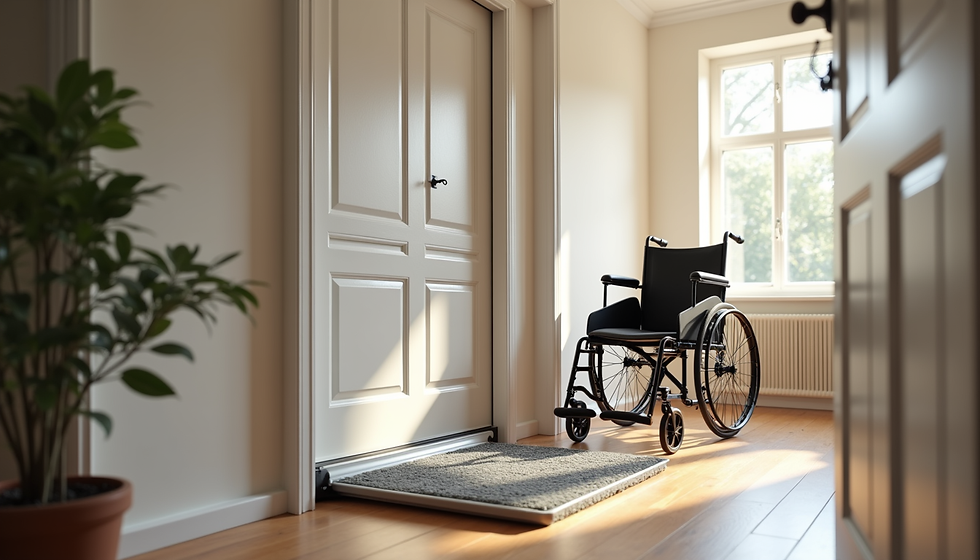
For example, installing a ramp at the entrance of a building can make a huge difference for wheelchair users and those with limited mobility. Similarly, wider doorways and lever-style handles help people with dexterity issues navigate more easily.
Practical Steps to Improve Accessibility in Your Property
Improving accessibility in properties does not have to be overwhelming. Start with a clear plan and focus on areas that will have the most impact. Here are some practical steps you can take:
1. Assess Your Space
Walk through your property with an eye for potential barriers. Look for:
Steps or thresholds that block entry
Narrow hallways or doorways
Poor lighting or glare
Hard-to-reach switches or controls
Consider asking for feedback from people who use mobility aids or have other accessibility needs. Their perspective can highlight challenges you might miss.
2. Prioritize Key Modifications
Not every change requires a major renovation. Some effective modifications include:
Installing grab bars in bathrooms
Adding non-slip flooring
Using contrasting colors for better visibility
Lowering countertops or sinks for wheelchair access
3. Invest in Elevators and Lifts
For multi-level properties, elevators and lifts are essential. They provide safe, reliable access between floors and can be customized to fit your space and style. Whether it’s a residential home or a commercial building, these solutions make a significant difference.

4. Use Technology to Enhance Accessibility
Smart home devices and automated systems can improve independence. Voice-activated controls, automatic doors, and adjustable lighting are just a few examples. These technologies can be integrated seamlessly into your property.
How Customized Solutions Make a Difference
Every property is unique, and so are the needs of its users. That’s why customized accessibility solutions are so valuable. Tailoring modifications to your specific space and requirements ensures maximum benefit.
For instance, a business might need a commercial-grade lift that handles heavy traffic, while a homeowner may prefer a compact stairlift that blends with their décor. Working with experts who understand these nuances can help you find the perfect fit.
I always recommend consulting with professionals who specialize in accessibility. They can provide assessments, design recommendations, and installation services that meet local codes and standards.
Creating Spaces That Empower Movement and Confidence
The ultimate goal of improving accessibility in properties is to empower people to move freely and confidently. When spaces are thoughtfully designed, they reduce stress and frustration. They invite participation and engagement.
Imagine a customer entering your business without worrying about stairs or narrow aisles. Picture a family member visiting your home and feeling completely at ease navigating every room. These are the real benefits of investing in accessibility.

If you want to explore how to transform your property, consider accessibility solutions that are tailored to your needs. These solutions combine functionality with style, ensuring your space is both practical and inviting.
Moving Forward with Confidence
Transforming your property to be more accessible is a journey worth taking. It requires planning, investment, and a commitment to inclusivity. But the rewards are profound - a space that welcomes everyone and supports independence.
Start small if you need to. Even minor changes can have a big impact. Reach out to experts who can guide you through the process and provide customized options. Remember, accessibility is not just about meeting standards; it is about creating environments where everyone can thrive.
By embracing accessibility, you are making a powerful statement - that your property is a place of respect, care, and opportunity. This transformation benefits not only those with mobility challenges but everyone who values comfort and ease of use.
I hope this guide inspires you to take the next step in improving accessibility in your property. With the right approach and support, you can create spaces that truly transform lives.


Comments